Cancer, also called malignancy, is an abnormal growth of cells. There are more than 100 types of cancer, including breast cancer, skin cancer, lung cancer, colon cancer, prostate cancer, and lymphoma. Symptoms vary depending on the type. Cancer treatment may include chemotherapy, radiation, and/or surgery.
What Is Cancer?
Throughout our lives, healthy cells in our bodies divide and replace themselves in a controlled fashion. Cancer starts when a cell is somehow altered so that it multiplies out of control. A tumor is a mass composed of a cluster of such abnormal cells.
Most cancers form tumors, but not all tumors are cancerous.
Benign, or noncancerous, tumors do not spread to other parts of the body, and do not create new tumors. Malignant, or cancerous, tumors crowd out healthy cells, interfere with body functions, and draw nutrients from body tissues.
Cancers continue to grow and spread by direct extension or through a process called metastasis, whereby the malignant cells travel through the lymphatic or blood vessels -- eventually forming new tumors in other parts of the body.
The term "cancer" encompasses more than 100 diseases affecting nearly every part of the body, and all are potentially life-threatening.
The major types of cancer are carcinoma, sarcoma, melanoma, lymphoma, and leukemia. Carcinomas -- the most commonly diagnosed cancers -- originate in the skin, lungs, breasts, pancreas, and other organs and glands. Lymphomas are cancers of lymphocytes. Leukemia is cancer of the blood. It does not usually form solid tumors. Sarcomas arise in bone, muscle, fat, bloodvessels, cartilage, or other soft or connective tissues of the body. They are relatively uncommon. Melanomas are cancers that arise in the cells that make the pigment in skin.
Cancer has been recognized for thousands of years as a human ailment, yet only in the past century has medical science understood what cancer really is and how it progresses. Cancer specialists, called oncologists, have made remarkable advances in cancer diagnosis, prevention, and treatment. Today, more people diagnosed with cancer are living longer. However, some forms of the disease remain frustratingly difficult to treat. Modern treatment can significantly improve quality of life and may extend survival.
How Is Cancer Diagnosed?
The earlier cancer is diagnosed and treated, the better the chance of its being cured. Some types of cancer -- such as those of the skin, breast, mouth, testicles, prostate, and rectum -- may be detected by routine self-exam or other screening measures before the symptoms become serious. Most cases of cancer are detected and diagnosed after a tumor can be felt or when other symptoms develop. In a few cases, cancer is diagnosed incidentally as a result of evaluating or treating other medical conditions.
Cancer diagnosis begins with a thorough physical exam and a complete medical history. Laboratory studies of blood, urine, and stool can detect abnormalities that may indicate cancer. When a tumor is suspected, imaging tests such as X-rays, computed tomography (CT), magnetic resonance imaging (MRI), ultrasound, and fiber-optic endoscopy examinations help doctors determine the cancer's location and size. To confirm the diagnosis of most cancers , a biopsy needs to be performed in which a tissue sample is removed from the suspected tumor and studied under a microscope to check for cancer cells.
If the diagnosis is positive (cancer is present), other tests are performed to provide specific information about the cancer. This essential follow-up phase of diagnosis is called staging. The most important thing doctors need to know is whether cancer has spread from one area of the body to another. If the initial diagnosis is negative for cancer and symptoms persist, further tests may be needed. If the biopsy is positive for cancer, be sure to seek a confirming opinion by a doctor who specializes in cancer treatment before any treatment is started.
What Are the Treatments for Cancer?
Depending on the type and stage of cancer, treatments to eradicate the tumor or slow its growth may include some combination of surgery, radiation therapy, chemotherapy, hormone therapy or immunotherapy.
Cancer Support
Supportive care from nurses and other professionals should accompany cancer treatment. The goal is to relieve pain and other symptoms, maintain general health, improve quality of life, and provide emotional, psychological, and logistical support to patients and their families. Similar supportive treatment is available to rehabilitate patients after curative treatment. Supportive therapy such as hospice care for cancer patients nearing the end of their lives provides relief from pain and other irreversible symptoms. Most mainstream care is geared toward providing supportive treatment through the broad resources of a cancer treatment center. Complementary cancer therapies, which are generally provided outside a hospital, can also provide supportive care.
Exercise and Cancer
Exercise can help control fatigue, muscle tension, and anxiety in those with cancer. Patients tend to feel better if they do exercises such as walking or swimming. Exercise has also been shown to improve the outcomes associated with cancer treatment.
Mind/Body Medicine for Cancer
Some mind/body therapies improve quality of life for cancer patients through behavior modification; others encourage expression of emotions. Behavior therapies such as guided imagery, progressive muscle relaxation, hypnotherapy, and biofeedback are used to alleviate pain, nausea, vomiting, and the anxiety that may occur in anticipation of, or after, cancer treatment. Individual or group counseling allows patients to confront problems and emotions caused by cancer and receive support from fellow patients in a group setting. Patients who pursue these types of therapies tend to feel less lonely, less anxious about the future, and more optimistic about recovery.
Nutrition, Diet, and Cancer
Scientific evidence suggests that nutrition may play a role in cancer prevention. Observational studies have shown that cancer is more common in some people with certain dietary habits -- such as colorectal cancer in people who have diets rich in meat products. So far, data has not supported the use of any vitamins or supplements to decrease the risk of cancer. In fact, studies show some supplements may increase cancer risk, such as lung cancer risk in smokers taking beta carotene and prostate cancer risk in men taking high doses of vitamin E.
No diet has been shown to slow, reverse, or cure cancer.
Also, experts don't recommend stopping standard treatment in place of complementary medicine, but many therapies can help people with cancer feel better.
Acupuncture and Acupressure
Acupuncture and acupressure are examples of "complementary" medicine for cancer. While neither claims to cure the disease, some evidence shows that they help reduce symptoms and side effects of the illness and its treatment.
Herbs to Fight Cancer
Numerous herbal remedies profess to fight cancer and its related symptoms; unfortunately, little solid evidence exists to prove their effectiveness. A few herbs may help with specific complaints: Ginger tea and peppermint tea or lozenges may ameliorate nausea, valerian root can help with anxiety and stress, capsicum cream might relieve muscle aches.
The FDA does regulate dietary supplements; however, it treats them like foods rather than medications. Unlike drug manufacturers, the makers of supplements don’t have to show their products are safe or effective before selling them on the market. Talk to your doctor or expert on herbal remedies and research carefully because some of these herbs may affect your other methods of treatment.
Homeopathy and Cancer
Homeopathic preparations may ease the nausea, fatigue, and anxiety associated with cancer and its treatment. Homeopathy can present a danger if its use delays or replaces conventional treatment.
Social Support and Spirituality
Having the support of friends and family can help you deal with the depression, fear, and anxiety that accompany cancer. In some cases, a strong support network can even affect the length of survival of cancer patients; studies have shown that men who experience limited social contact have a shorter survival time, while women with good social support survive longer from their cancers.
Prayer can relieve stress, create a sense of meaning and purpose, and provide solace. Being an actively spiritual person may have even more benefits; cancer patients who consider themselves spiritual suffer less anxiety and depression, and even less pain, from their cancer.
At-Home Care for Cancer
Relieving side effects of cancer treatment:
After radiation therapy for cancer, be gentle to your skin. Do not scrub it, expose it to sunlight, or wear tight clothing. Aloe vera ointment is gentle and soothing, along with non-irritating lotions or creams, such as vitamin E.
Eat light snacks throughout the day rather than three heavy meals. Try eating food cold or at room temperature to avoid nausea.
If your treatment involves lowering your white blood cell count, avoid people who are ill. Tell your doctor about any fever or unusual symptoms.
Relieving pain:
In addition to taking prescribed medication, try relaxation techniques such as yoga or meditation.
Other tips:
Join a cancer support group.
Get plenty of rest, balanced with light exercise.
Rather than feeling compelled to maintain a "positive attitude," express your emotions honestly. Don't worry if you sometimes feel depressed or afraid: These are normal feelings and legitimate reactions that will not affect your cancer.
Fill your days with activities you enjoy. Reading a good book, listening to music, and talking with friends are surprisingly therapeutic.
Contact the American Cancer Society and the National Cancer Institute for free information about cancer prevention, diagnosis, treatment, and tips for managing cancer symptoms.
Click here for Download pdf of patient informationTaj Pharma is one of the largest generic pharmaceutical company in India. We hold top positions in different established markets worldwide and are building a strong presence in many emerging generics markets. You can contact Taj Pharma India's business by telephone on 91 022-2637-4592, if you have an enquiry about the company, our healthcare business, or one of our medicines.
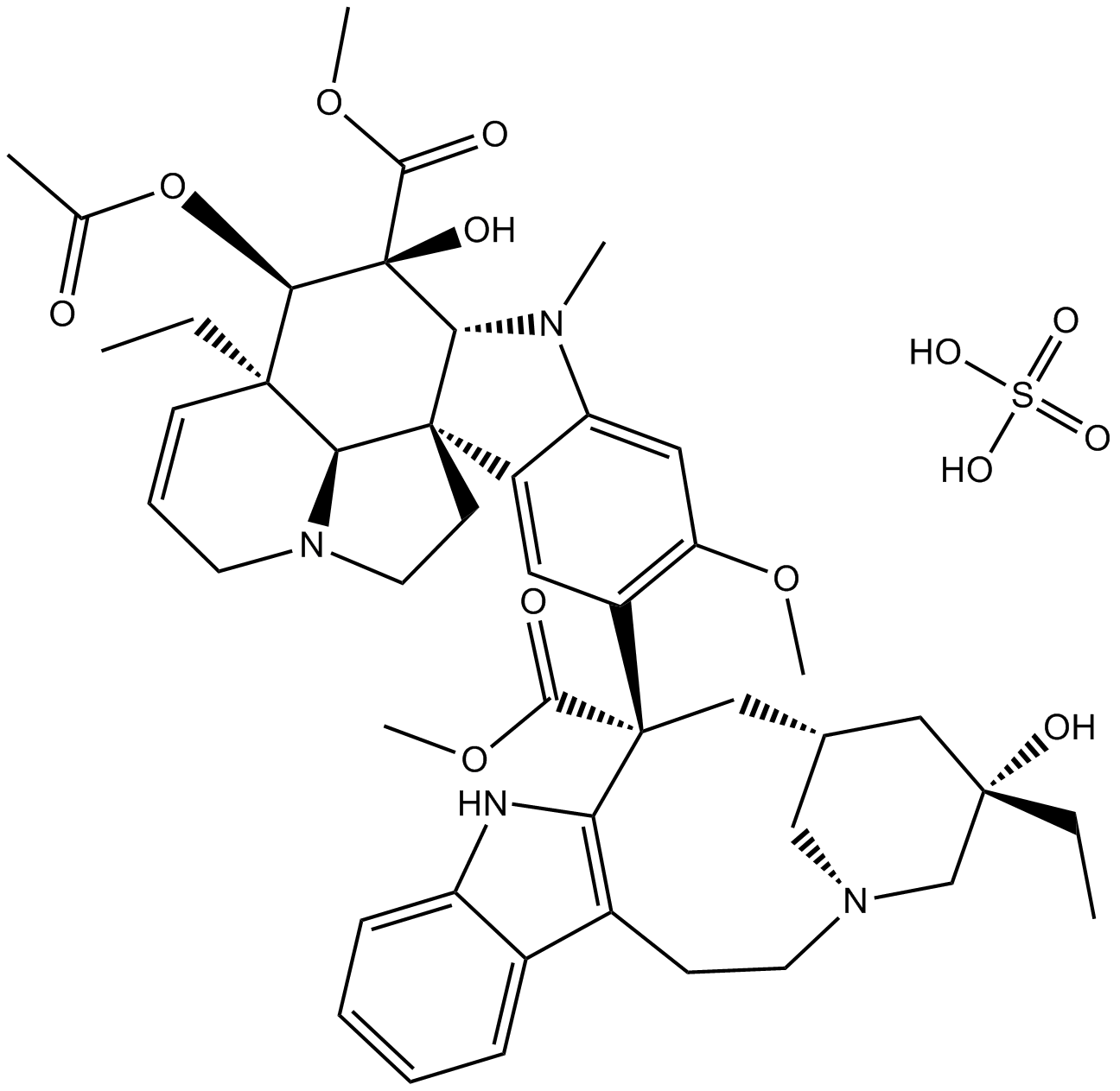
Vinblastine sulfate is a cytotoxic drug that arrests cell growth at the metaphase. Its actions are more pronounced on the rapidly dividing cell than on the normal cell.
Welcome to the Taj Pharmaceuticals Limited. We would like to give you an overview of Taj Pharmaceuticals: our background, organization, products, core belief and prospects.
Vinblastine use, safety information, warnings and side effects, indications and usage, adverse reactions and clinical pharmacology.
This section displays common question about the Vinblastine Solution for Injection.
Caution – This preparation should be administered by individuals experienced in the administration of vinblastine sulfate (vinblastine sulfate injection) . It is extremely important that the intravenous needle or catheter be properly positioned before any vinblastine sulfate (vinblastine sulfate injection) is injected. Leakage into surrounding tissue during intravenous administration of vinblastine sulfate (vinblastine sulfate injection) may cause considerable irritation. If extravasation occurs, the injection should be discontinued immediately, and any remaining portion of the dose should then be introduced into another vein. Local injection of hyaluronidase and the application of moderate heat to the area of leakage help disperse the drug and are thought to minimize discomfort and the possibility of cellulitis.
FATAL IF GIVEN INTRATHECALLY. FOR INTRAVENOUS USE ONLY.
See WARNINGS for the treatment of patients given intrathecal vinblastine.